
I’ve seen gentrification with my own eyes—on the ground, not in a textbook. I saw it in Kirkwood, Atlanta, when I was a young realtor, knocking on doors next to homes that were selling for seven, eight hundred thousand dollars—right beside a shack. At the time, I didn’t fully understand what I was witnessing. I just thought that was “how the market worked.”
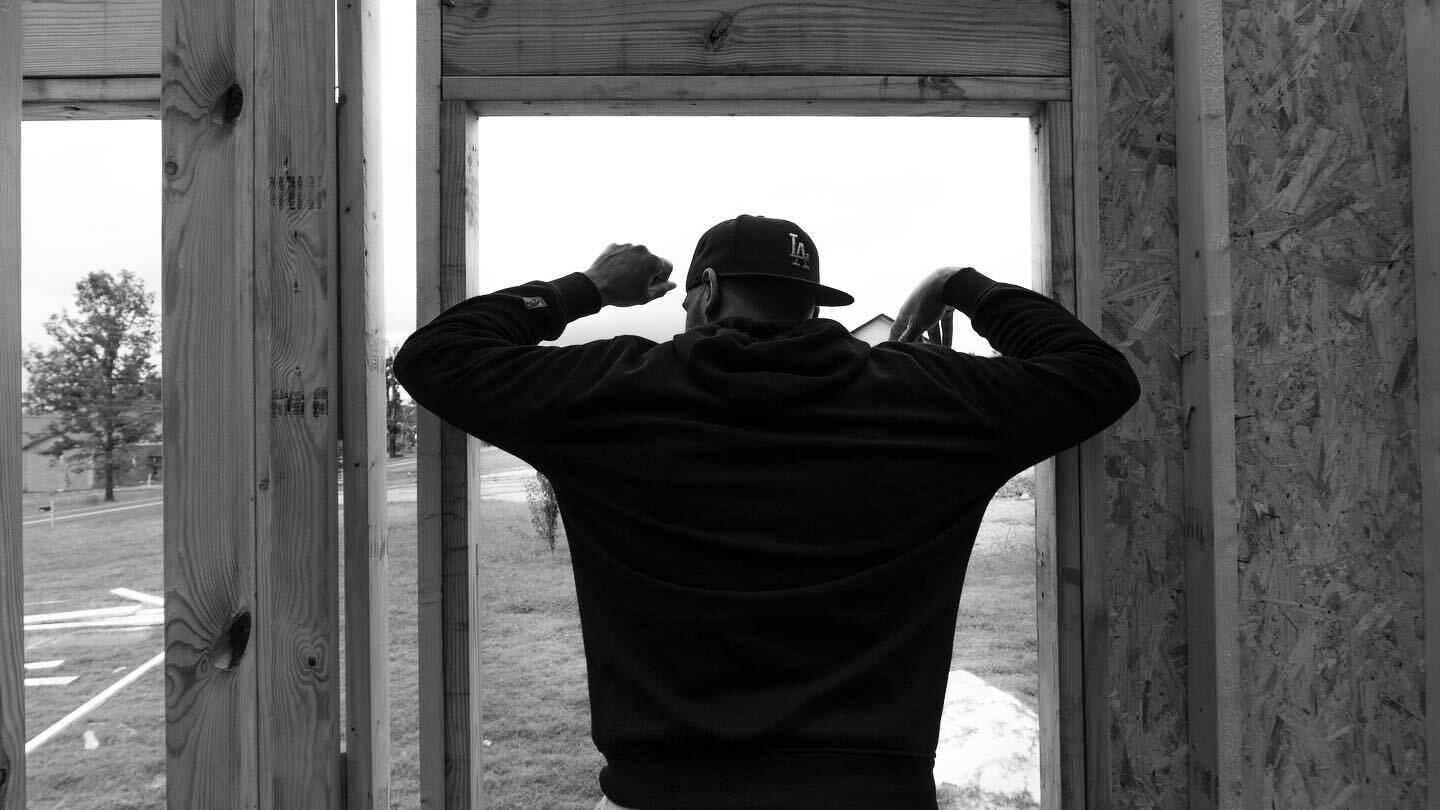
Later, I saw it again in Chattanooga’s Highland Park neighborhood. New money moved in, prices skyrocketed, and longtime residents were pushed out. That’s gentrification. It’s not just about new development—it’s about who gets left behind in the process.
But here’s the thing: gentrification isn’t always evil. It’s just that too often, the people who’ve lived in these communities the longest aren’t the ones benefiting. That’s where revitalization comes in. And that’s what I’ve chosen to stand on.
Revitalization is different. It’s about seeing value where others don’t and building something better with the community, not at the expense of it. I’m not just flipping properties. I’m creating spaces where people can stay, grow, and thrive. And I’m doing it in a way that keeps the culture, the people, and the history in place.

Take one of our current projects—eight and a half acres of land that had been overlooked for decades. The land used to flood. But we came in, put real money into civil engineering—retention ponds, swales, the whole nine—to solve the problem at its root. Now we’re building 42 luxury micro homes on that land. Not to price people out, but to give them something worth staying for.
We’re trying to rewire the narrative. So when people “make it,” they don’t feel like they have to run to the suburbs to live well. I lived that myself. In college, I stayed in the Westside projects in Chattanooga. Rent was sixty dollars a month—and even then, I couldn’t afford it. My aunt paid my rent because she saw I was trying to make it, trying to play ball and stay focused. I’ll never forget that.
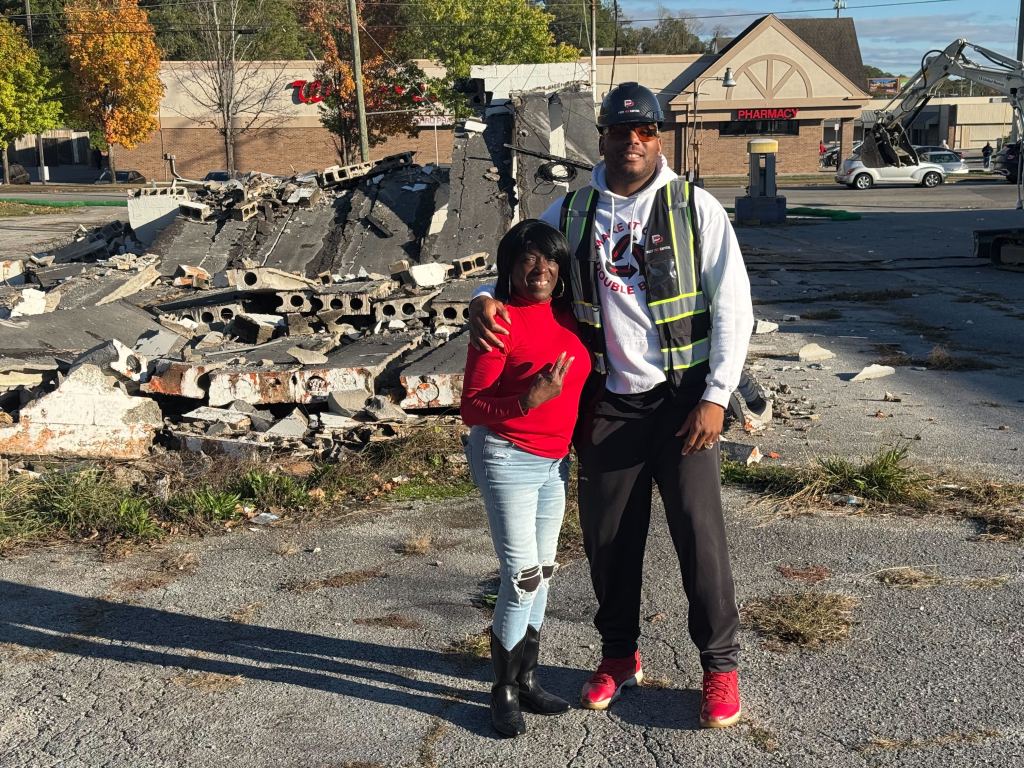
Fast forward, I signed my first pro contract in South Korea. With my signing bonus, I bought my first house at the age of 22. Where? The suburbs—because that’s what I thought I was supposed to do. But when I got there, it didn’t feel like home. I wasn’t connected to the community. I barely left the house. Six months later, I moved to Atlanta.
That experience shaped how I see things now. I’m not trying to build places people want to escape—I’m building places they want to stay. Places they can grow into, not grow out of.
This is what impact investing looks like.

It’s not just about ROI. It’s about ROC—Return On Community. It’s about making money and making change. You don’t have to choose one or the other.
I’m here to work with investors who want to do both. Let’s build something that lasts—because this isn’t just real estate. This is legacy work.

